As designers, we are usually involved only at the beginning of the product lifecycle, where we focus on form, function, and production. Even though we strive to understand the lifecycle holistically, the lack of transparency in recycling processes often makes it difficult to envision the product until the end of its life.
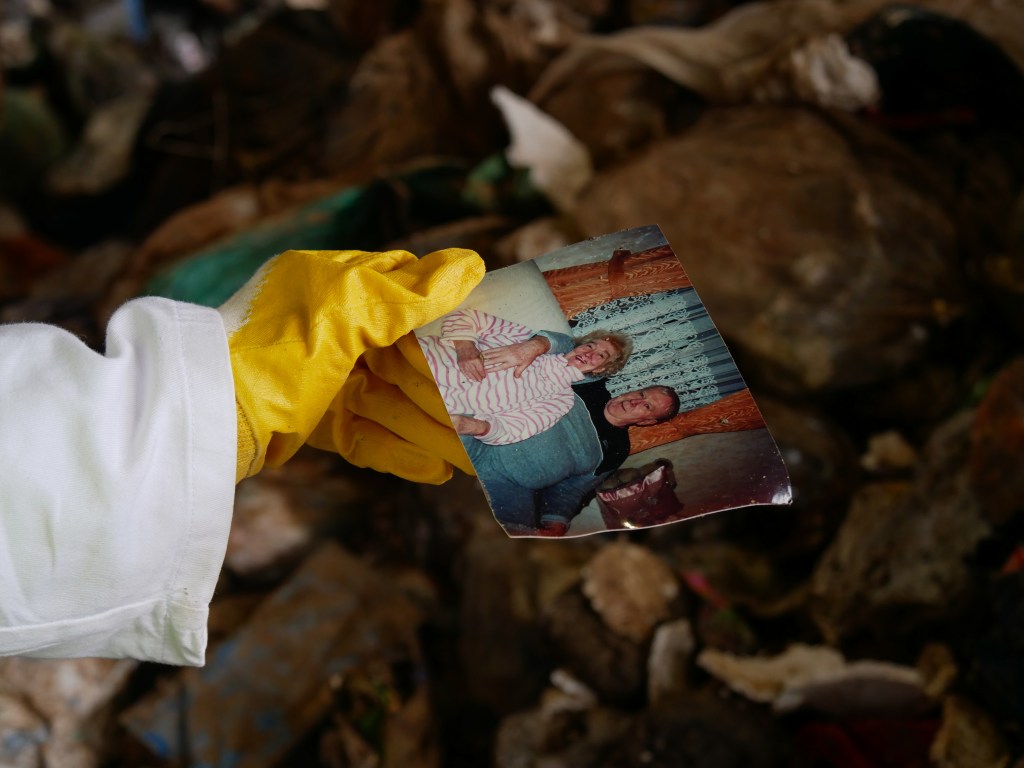
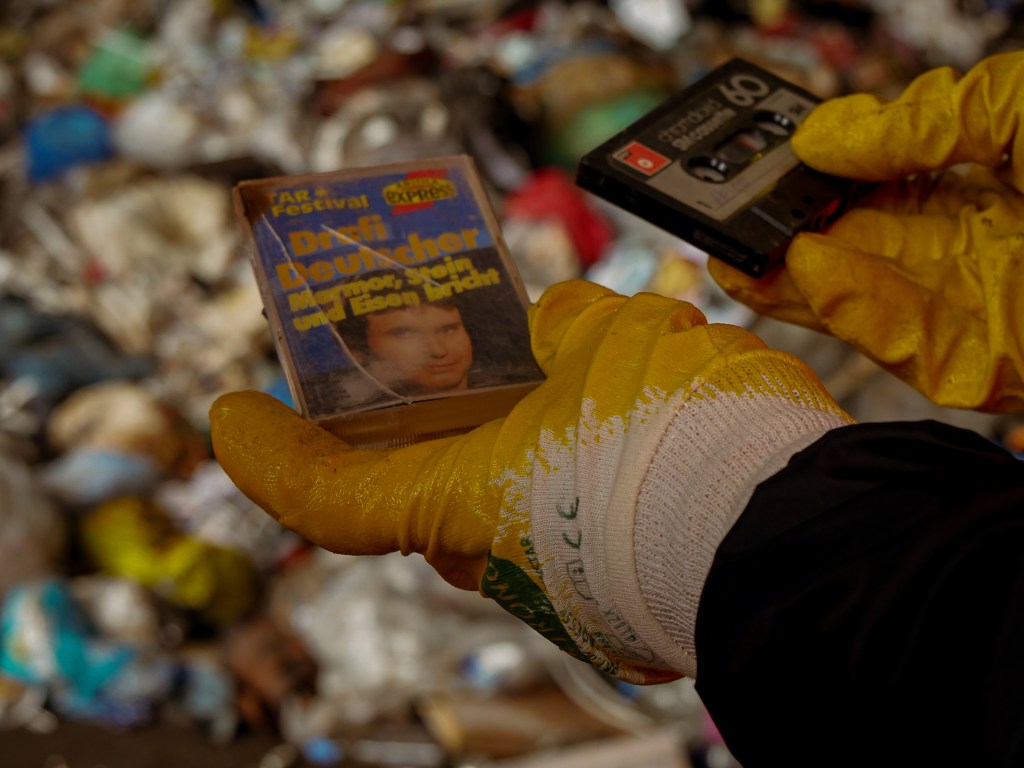
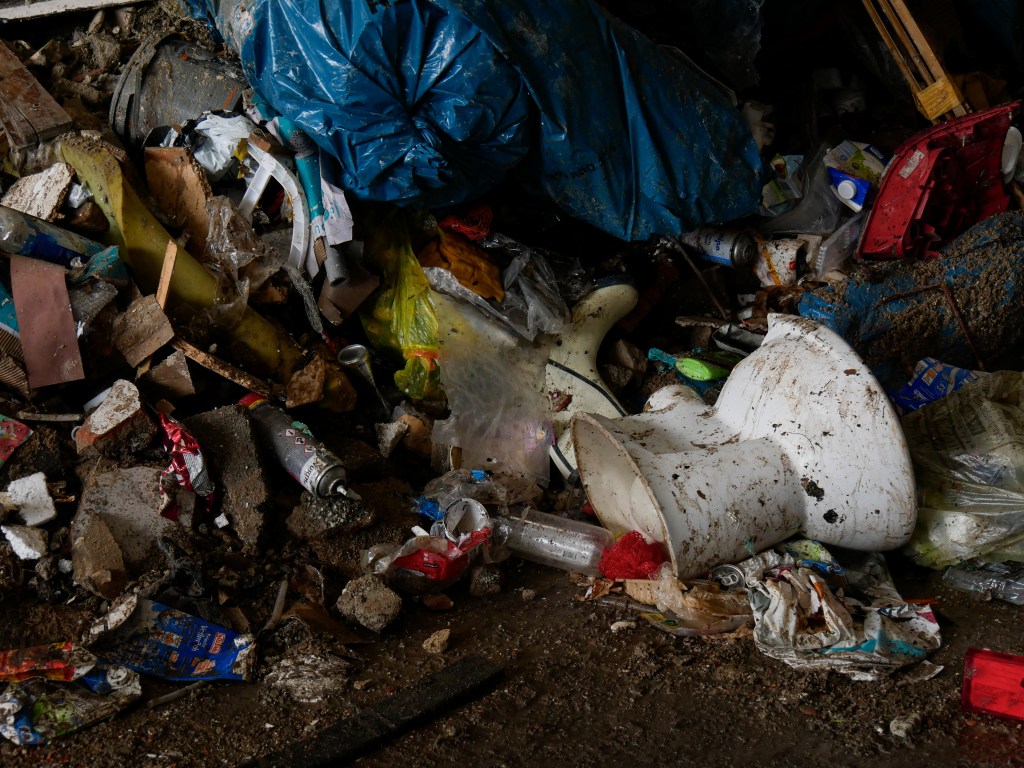
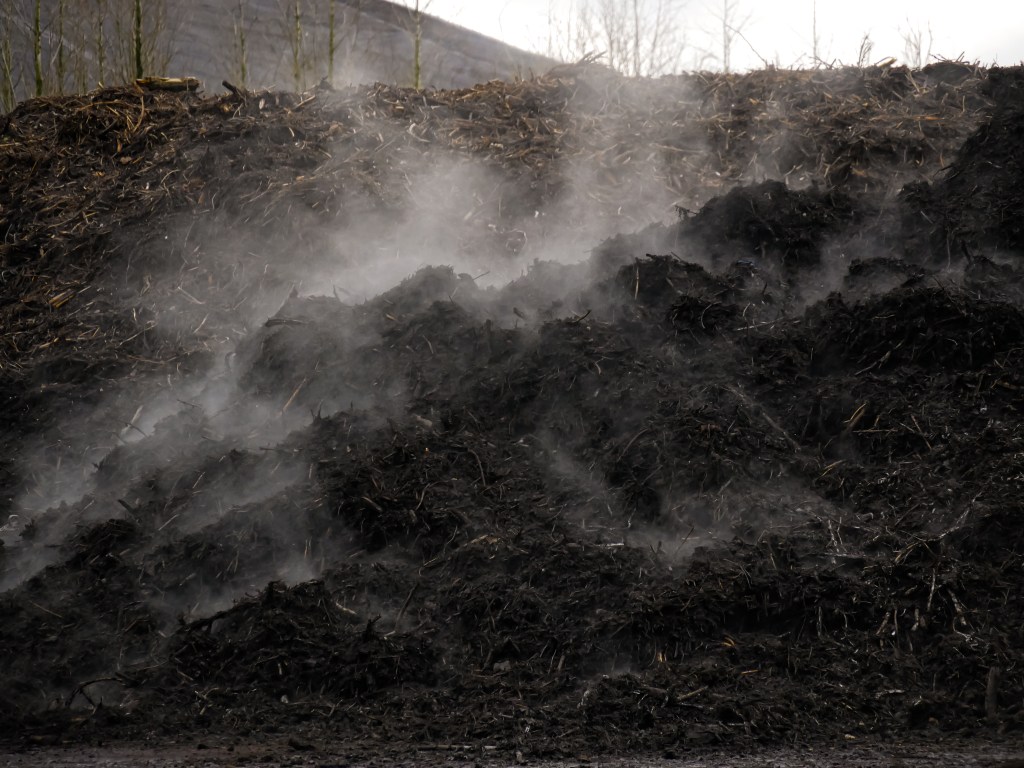
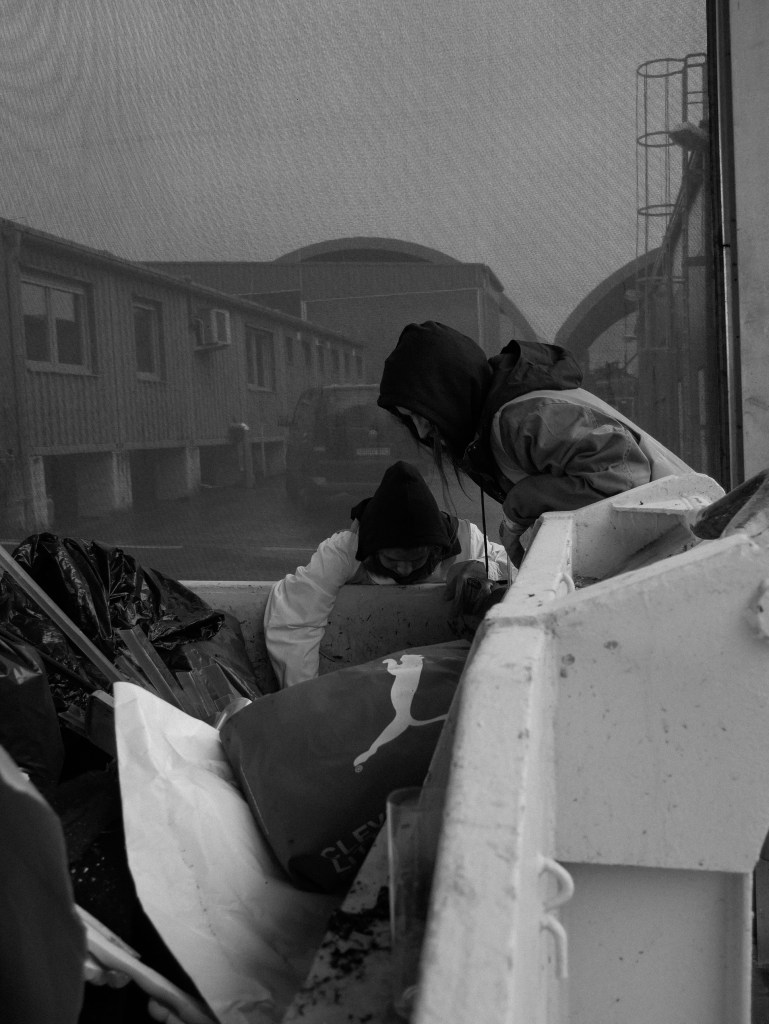
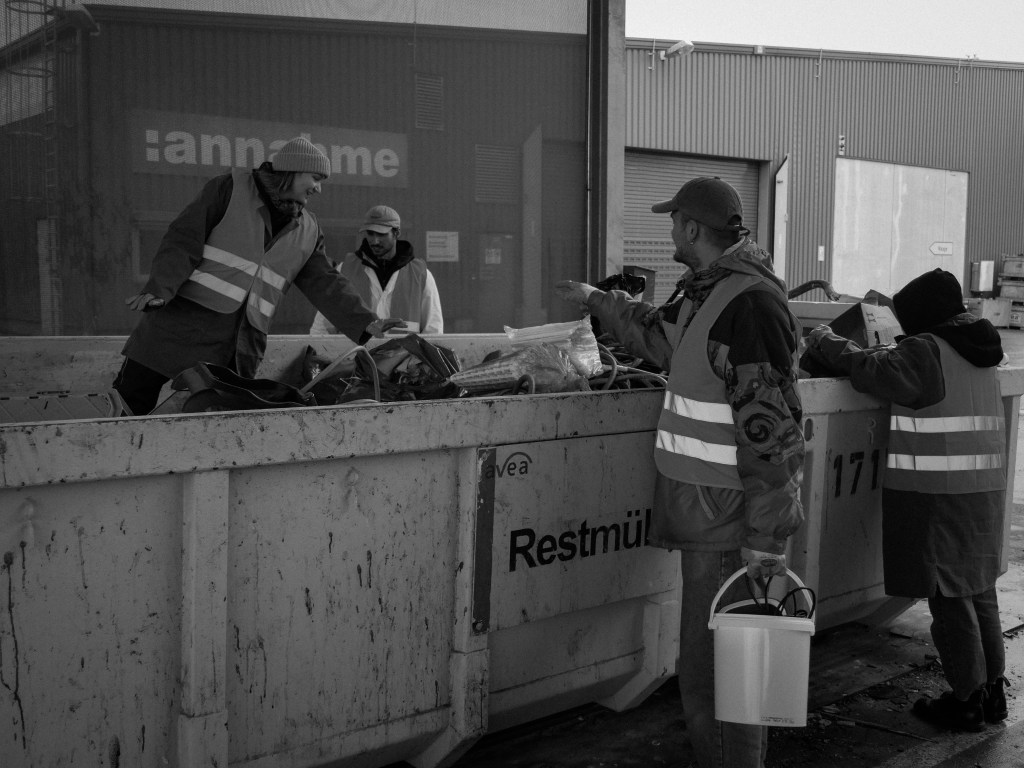
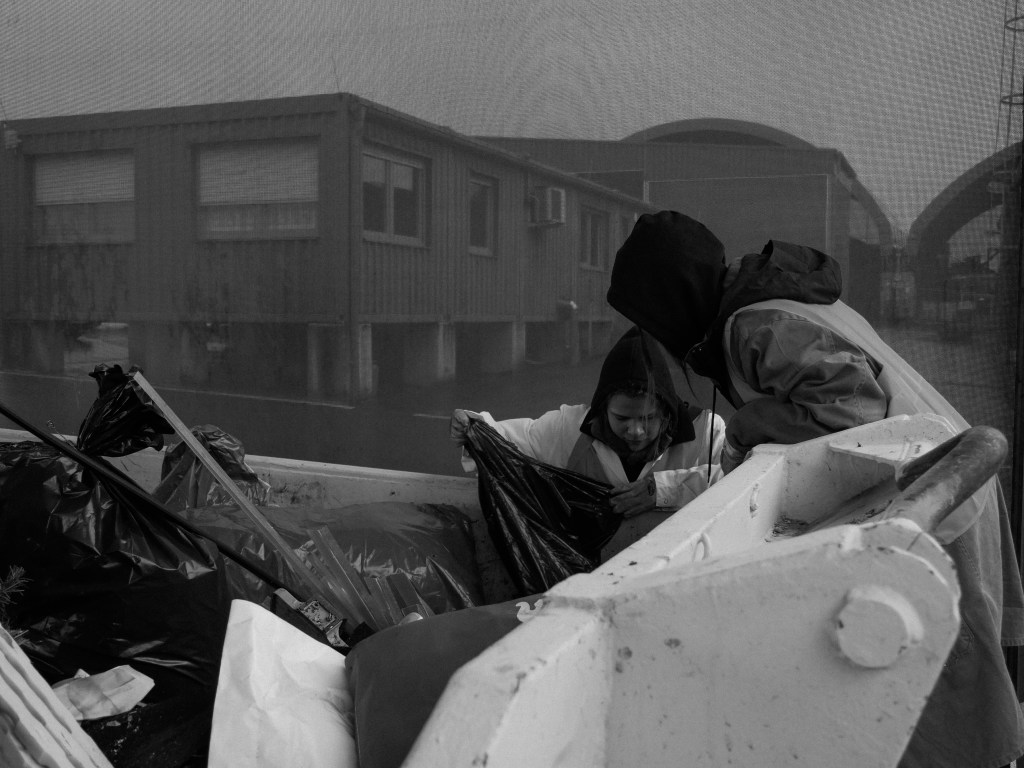
That’s why I decided to take a closer look at the end stages of product life. I explored processes like fermentation, composting, and thermal utilization firsthand by getting my hands dirty in the waste. I wanted to understand why products end up there and what we can change from the beginning to make better decisions, ultimately aiming for a real circular economy.
After deconstructing an existing product, I redesigned it to fit into existing (or new) cycles. That’s why I chose a softshell travel suitcase.
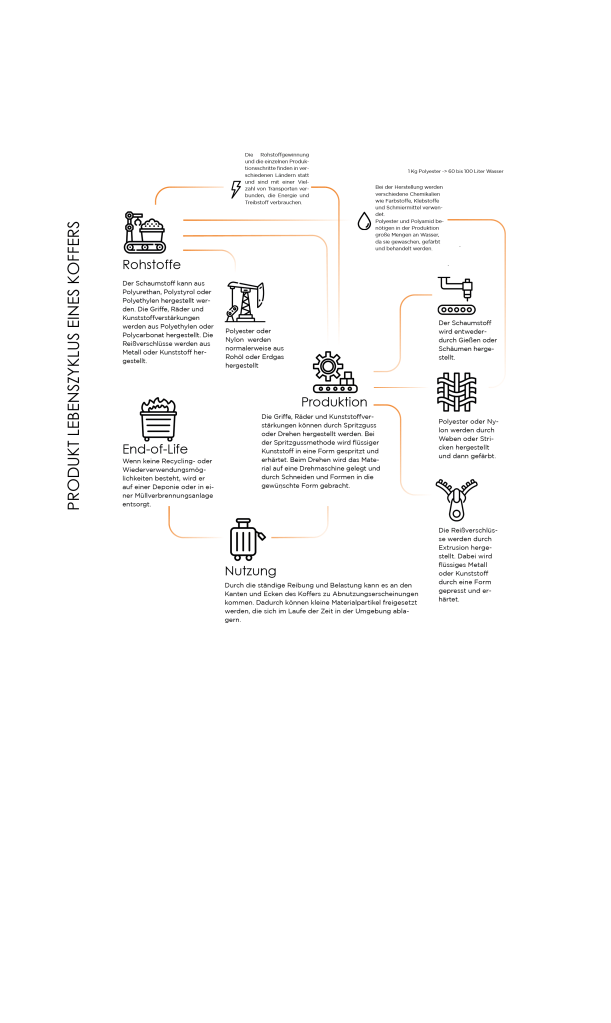
Where do the raw materials come from and how are they produced?
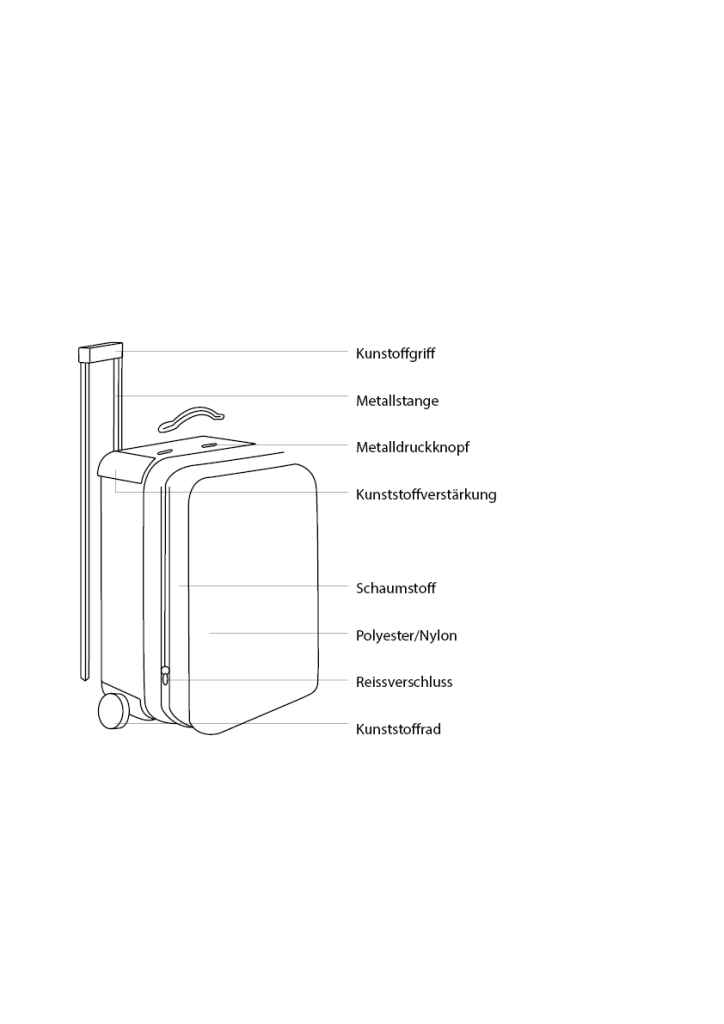
Polyester or Nylon: These materials are typically derived from crude oil or natural gas processed in the chemical industry.
Foam: Foam can be made from various raw materials such as polyurethane, polystyrene, or polyethylene.
Plastic reinforcements: Plastic reinforcements are usually made from various plastics like ABS, polypropylene, or polycarbonate, derived from crude oil or natural gas processed in the chemical industry.
Zippers: Zippers can be made from various materials such as metal or plastic. Handles and wheels: Handles and wheels are typically made from various materials like plastic or metal.
Overall, the raw materials for softshell travel suitcases are usually sourced from different countries depending on availability and price. Manufacturers must ensure that the raw materials are of high quality and meet the necessary standards to ensure that the products manufactured are safe and reliable.
How are they processed?
Polyester or Nylon: These materials are typically woven or knitted. The woven or knitted fabric is then dyed to achieve the desired color.
Foam: Foam is usually made by casting or foaming. In the casting method, liquid foam is poured into a mold and then hardened. In the foaming method, the foam is sprayed into a mold and inflated to achieve its final shape.
Plastic reinforcements: Plastic reinforcements can be made by injection molding. In this process, liquid plastic is injected into a mold and then hardened.
Zippers: Most zippers are made through extrusion. Liquid metal or plastic is pressed through a mold and hardened to achieve the final shape of the zipper.
Handles and wheels: Handles and wheels can be made by injection molding or turning. In injection molding, liquid plastic is injected into a mold and hardened. Turning involves placing the material on a lathe and shaping it into the desired form through cutting and shaping.
END OF LIFE
The end-of-life of a softshell travel suitcase can occur in various ways, depending on the disposal options available in the respective region and the decisions made by the suitcase owner. Here are some options:
Recycling: If the suitcase is made from recyclable materials such as polyester, nylon, and aluminum, it can be recycled. Most recycling centers and waste disposal sites accept these materials and can turn them into new products. In some cases, manufacturers also offer take-back and recycling programs for their products.
Reuse: If the suitcase is still in good condition, it can be reused by selling, donating, or passing it on to friends or family members.
Disposal: If the suitcase can no longer be used or there are no recycling or reuse options available, it can be disposed of. Depending on the region, disposal usually takes place in a landfill or an incineration plant.
It is important to note that improper disposal of softshell travel suitcases can have negative environmental impacts. If not properly disposed of, they can end up in nature and pollute the environment or even endanger animals. Therefore, it is always advisable to use sustainable disposal methods to minimize environmental impacts.
Mono-on
A backpack made of a single material and designed for long life can help minimise the negative impact on the environment and society. However, it is important to note that this is only one part of a comprehensive sustainability strategy and that it is also important to reduce emissions during production and transport and to ensure proper disposal. Below are some examples of how negative aspects can be improved:
Resource efficiency: by using a single material, the backpack can be more easily recycled or reused as it does not contain different materials that need to be separated. This can also help reduce material wastage and waste.
Durability: A backpack designed to be repair-friendly can last longer and therefore needs to be replaced less often. This can help conserve resources and reduce the need for new backpacks.
Recyclability: A backpack that is made of a single material and can be disassembled is easier to recycle because it is not made of different materials that need to be separated. This makes it easier to dispose of the backpack at the end of its life cycle and return the material to the cycle.
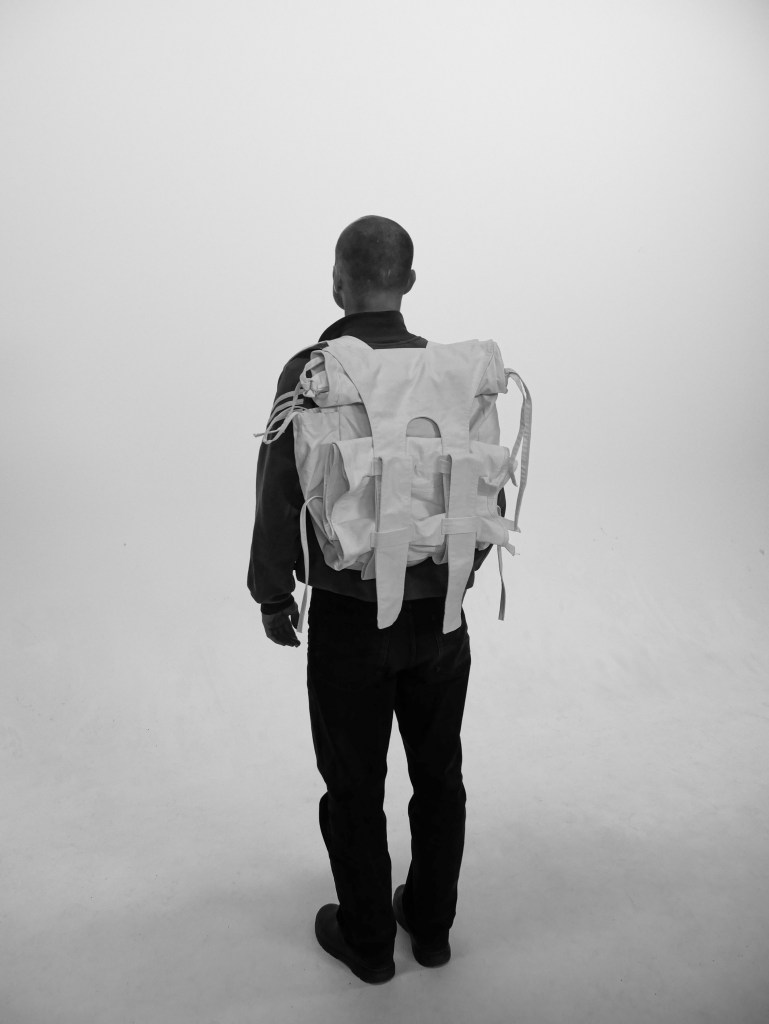
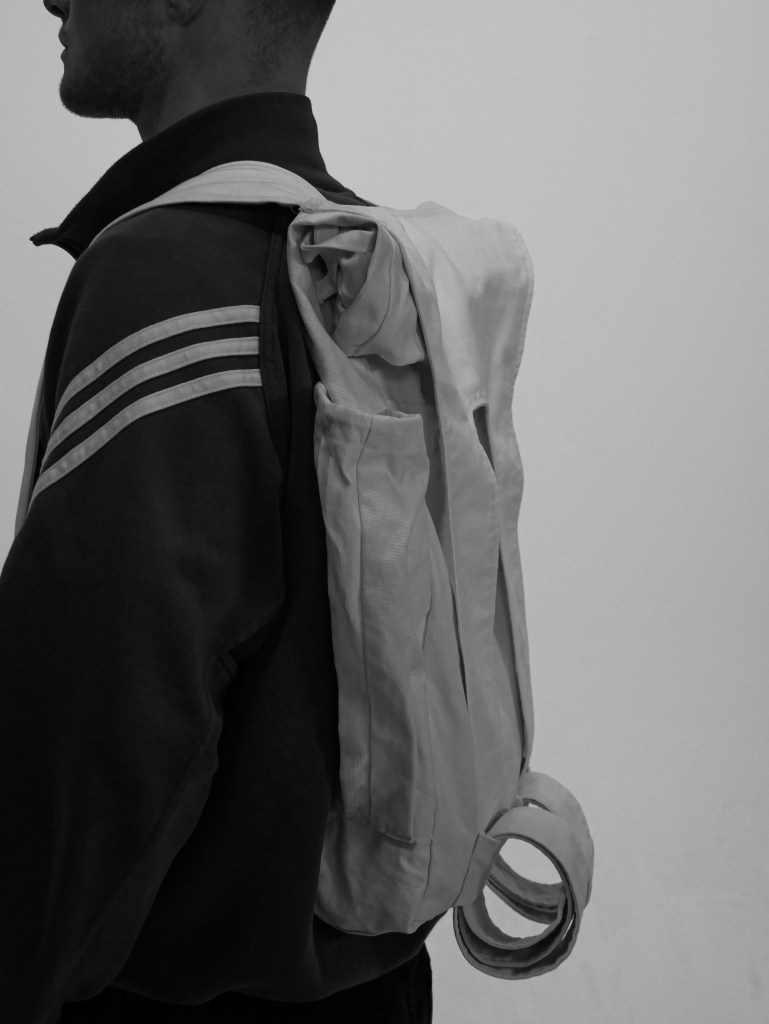
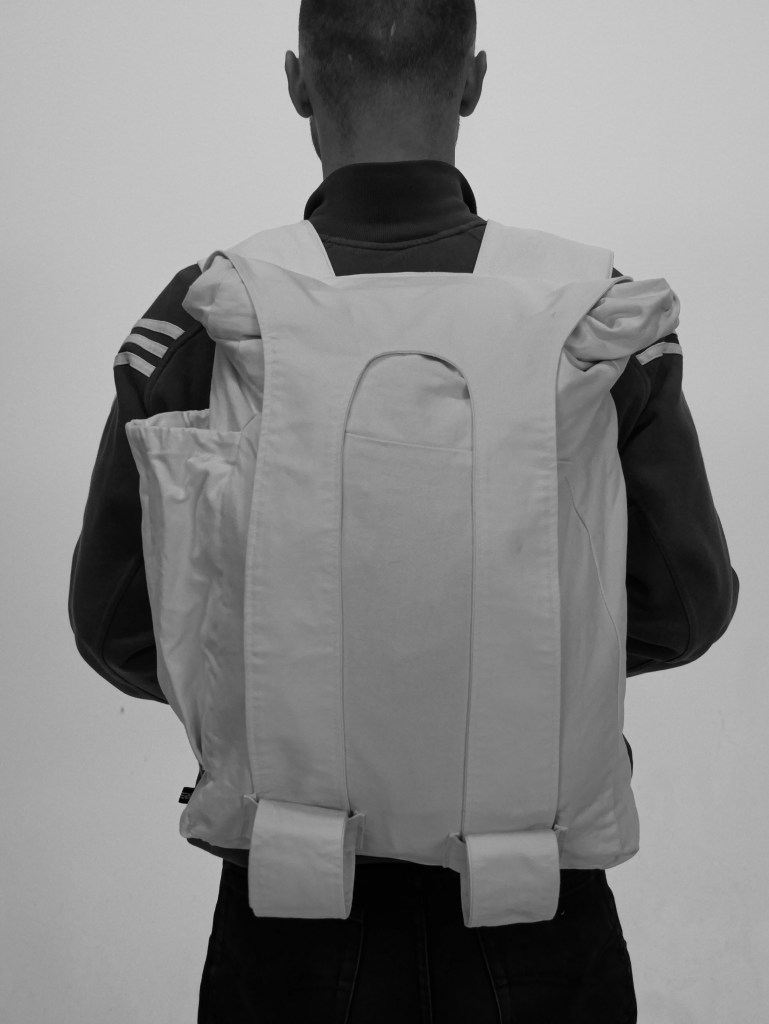
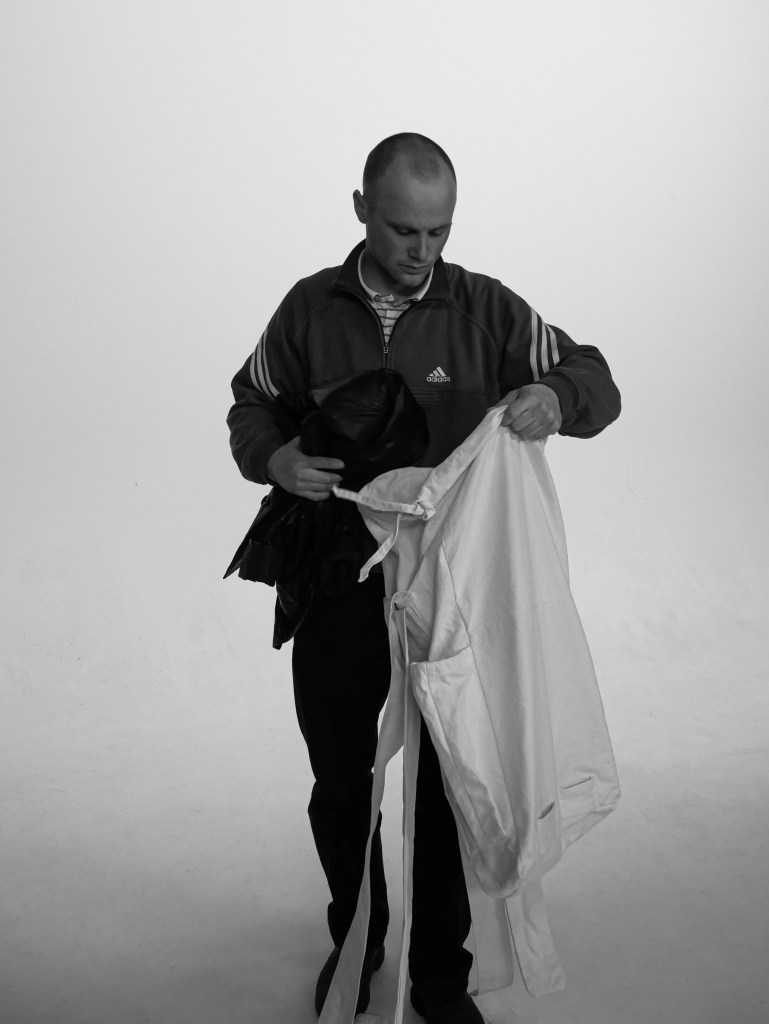
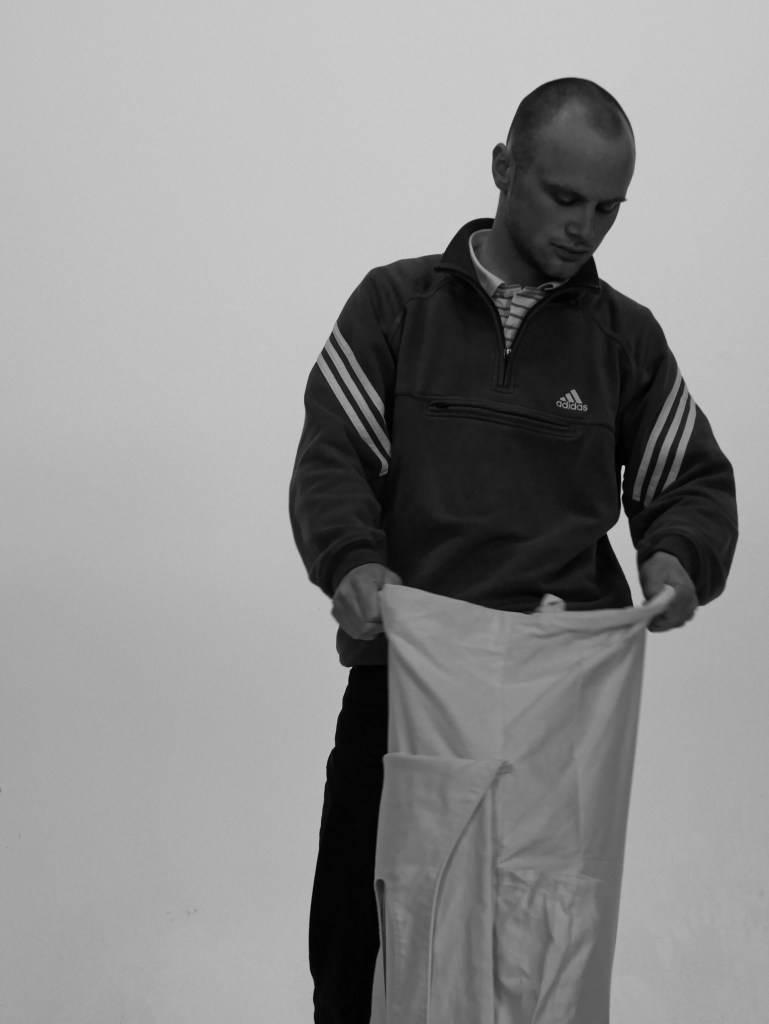
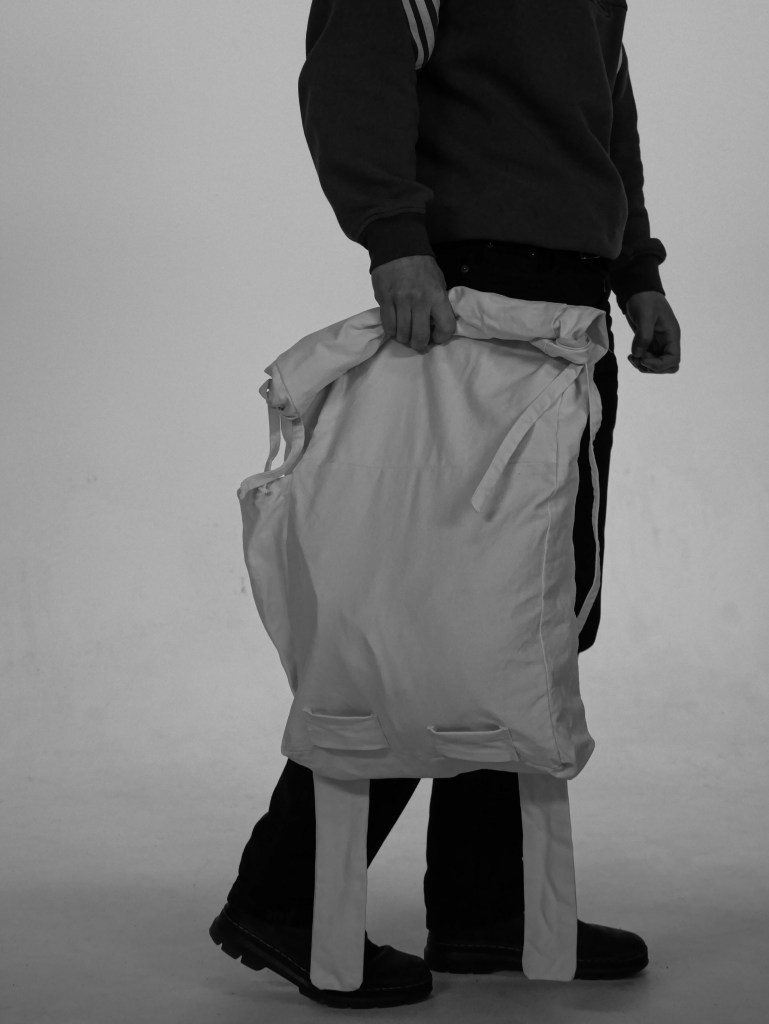
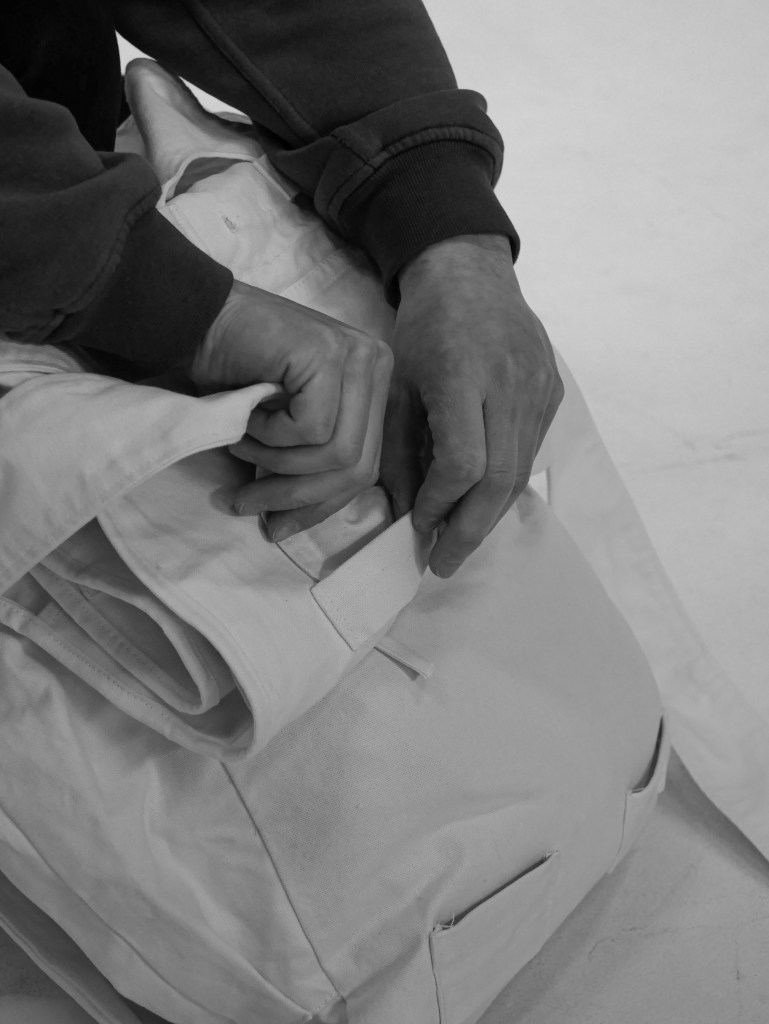
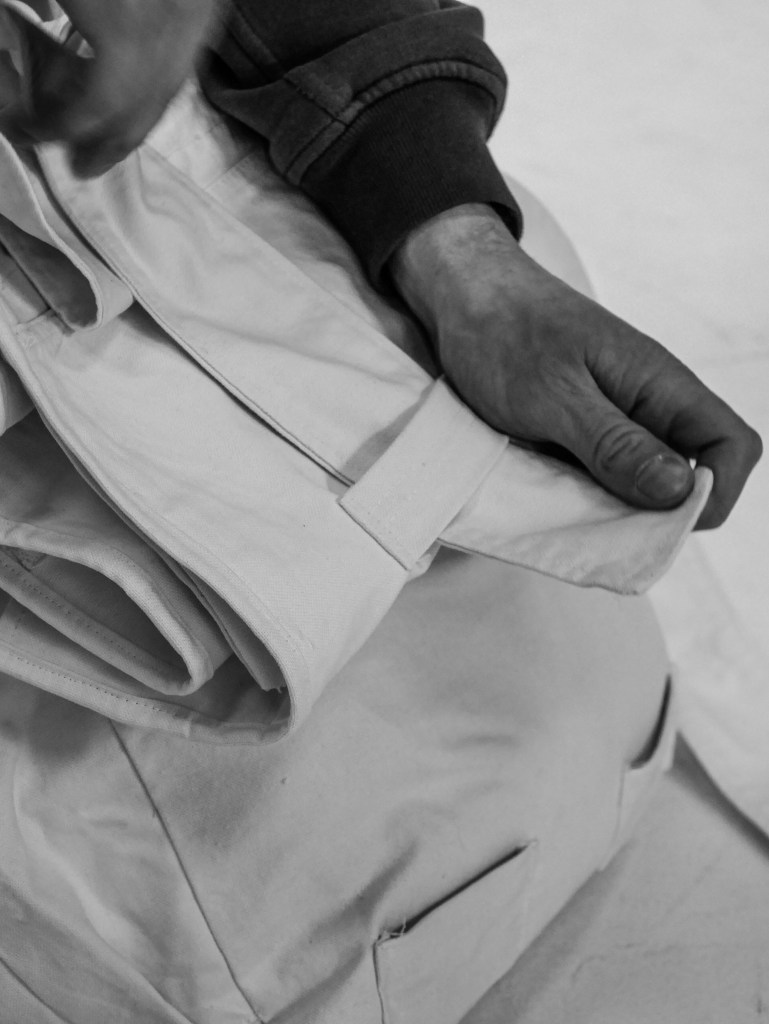
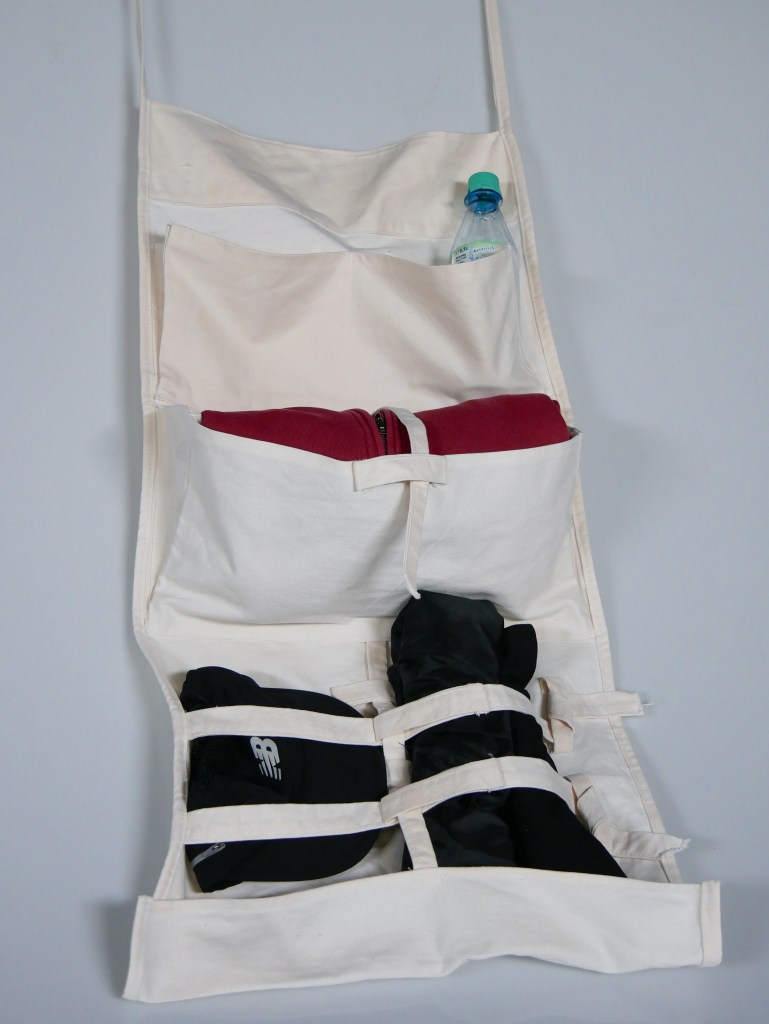
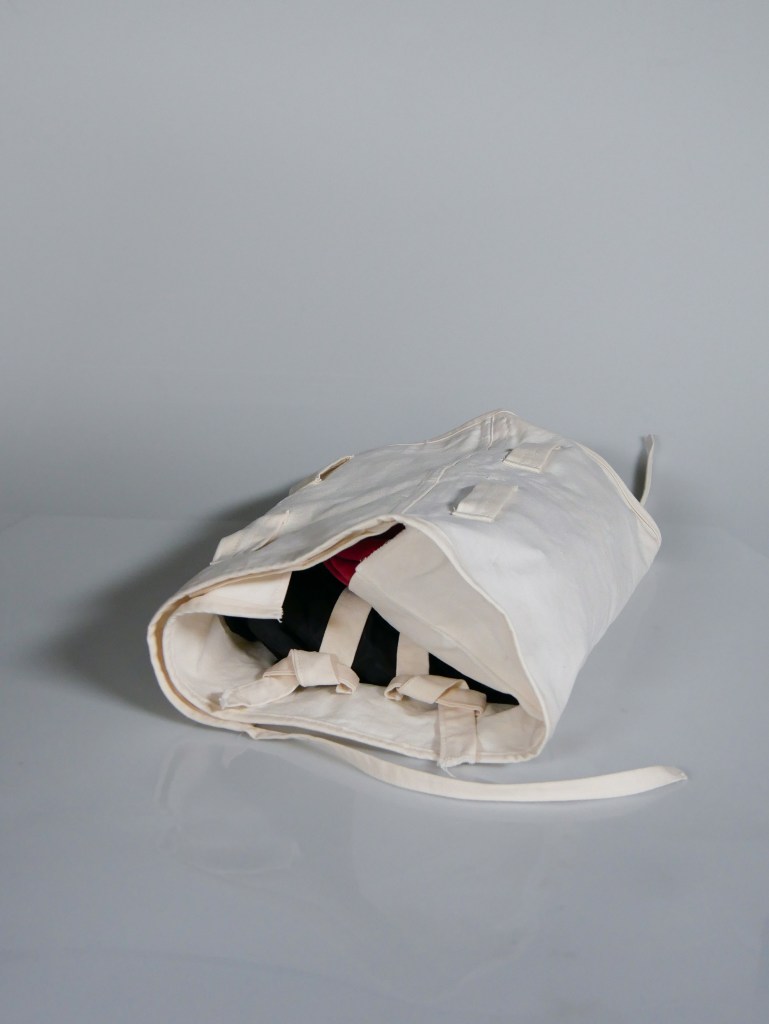
The structure bag serves to expand the backpack up to 3 times and also maintain organization. It can be attached to the outside of the backpack, providing additional storage space and facilitating organization. With the ability to attach or remove the structure bag as needed, it offers a flexible solution for various travel or everyday requirements.
 Viola Stein
Hinterlasse einen Kommentar